“Partnering for
Regenerative Impact:
Food, Land, and Capital!”
‘Making the Meaningful Investable!’
‘Reclaiming Small & Midsize Ag’s
Regional Food Sovereignty.’
“As a partner to both innovation and finance, we pair regenerative opportunities that matter with capital that cares. This turns stalled innovation into investable realities while restoring what traditional grant funding often depletes—and what impact capital alone rarely rebuilds.”

The State of Things: Full Shelves, Fragile System
Independent and midsize farms are being squeezed out just as we need them most.
Across the country, the food economy has narrowed into an industrial hourglass: a small number of corporations determine what is grown, processed, and moved, while most regions rely on what distant supply chains deliver rather than on what their own local landholders and producers could provide.
From the outside, the system appears efficient. Trucks move on schedule and shelves stay full. But remove even a few links in that chain and entire regions discover how little capacity they have left to feed themselves, or to access food that hasn’t spent days in transit and cold storage while its freshness and nutrient density quietly fade.
Inside this hourglass, local producers face challenges that compound each year. The middle ground that once carried region‑scale solutions has thinned dramatically, leaving small and midsize farms stranded between grant support and commercial finance, with nowhere reliable to test, prove, and scale what they know how to do.
Since 2017, the American agricultural landscape has lost more than 140,000 independent farms, hollowing out the middle and leaving regional food systems roughly 90% dependent on external supply chains. Land and market power continue to consolidate into fewer, larger operations, increasing the distance food travels and the vulnerability of the regions that rely on it.
¹ Source: USDA Census of Agriculture, 2022.
² Source: Bioregional Food Security Assessment / UNR‑SFIP Data.
Who is Squeezed? [Or Overlay this Tile Title above Image]

Independent and midsize farms — the “vanishing middle” — are steadily disappearing as more farmland and facilities are absorbed by Big Ag. As large processors take over storage, processing, and distribution, smaller farms are pushed to the edges of the very system they once supplied. Yet these are the farms that should anchor regional food systems and pass on the craft, culture, and know‑how that will train the next generation. When they’re squeezed, entire regions feel it.
What’s at Stake?
Local food security, regional sovereignty, and rural livelihoods. In many places, as much as 90% of fresh fruits and vegetables arrive by truck from far away, even where nearby land could supply far more of what local communities need. Those losses are concentrated in very specific gaps in the system, where once‑reliable local producers and infrastructures have been allowed to fade.

Where’s the Challenge?
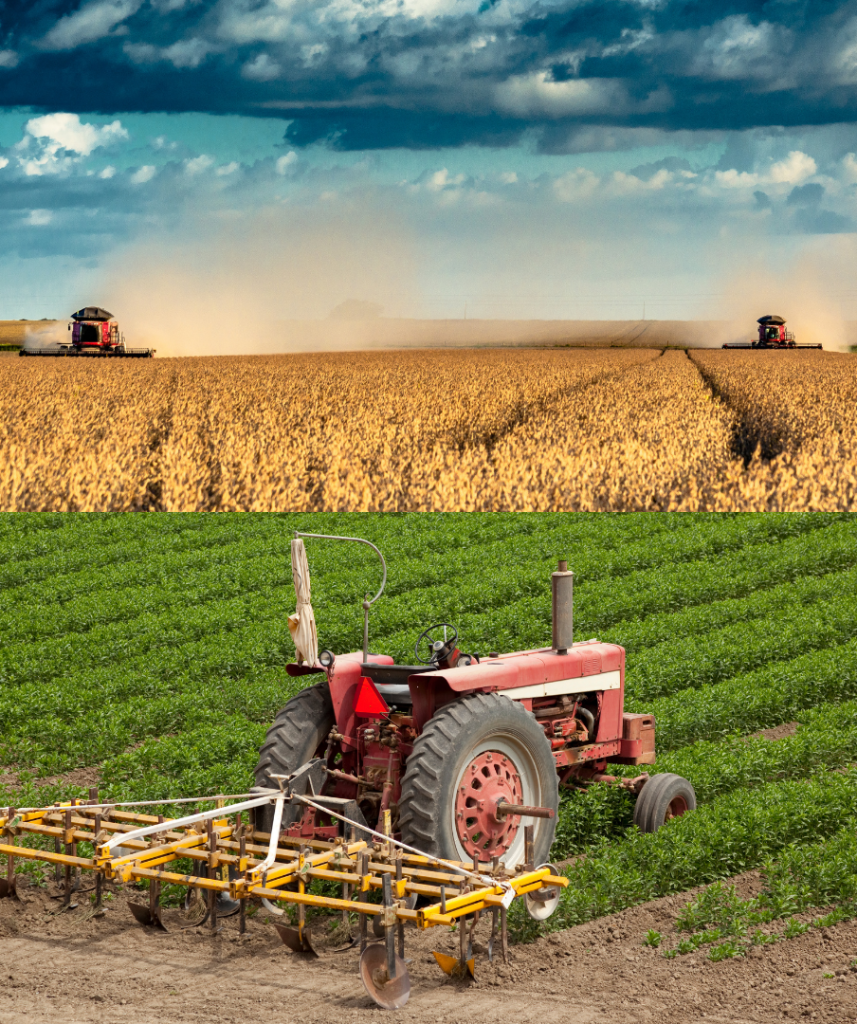
The challenge emerges in the interstitial gaps between industrial scale and local resilience — the in‑between spaces where big operators absorb midsize farms and centralized processing leaves smaller producers without infrastructure, finance, or fair terms. As these gaps widen at predictable moments, local producers are left with the risk and responsibility of feeding their regions but without the tools or leverage to do so.
When does it appear?
It appears whenever industry and communities lose sight of how much small and midsize farms matter to food security, viable rural livelihoods, and the health of the people they feed. In those moments, decisions that seem efficient on paper quietly undermine the very systems that keep regions nourished and resilient.

Why does it Matter?
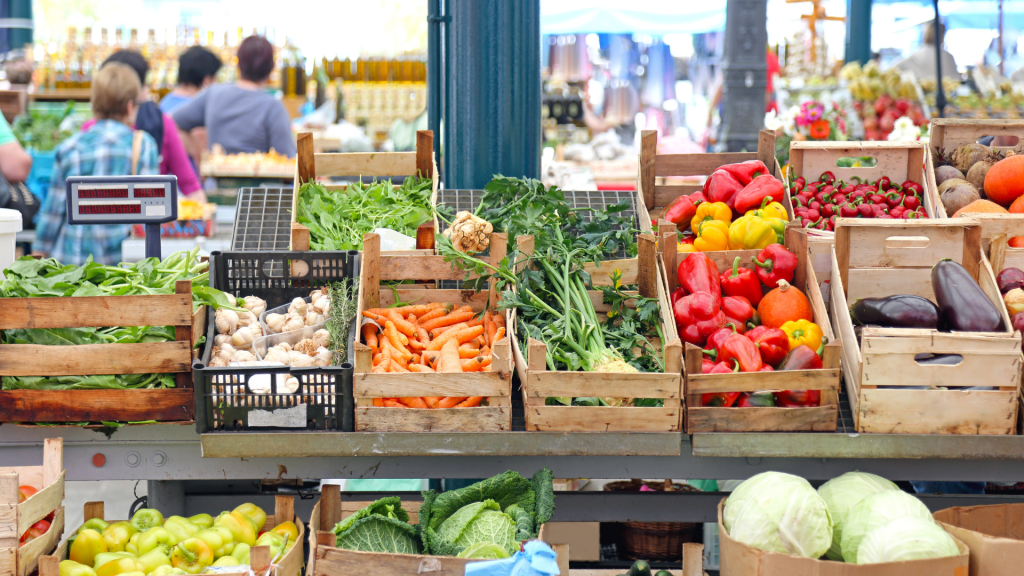
Because if we leave small and midsize farms stranded as price‑takers on the fringe, we lock rural communities into a slow, managed decline. When we equip them to become value-creating market makers, grounded in nutrient-rich food, resilient land use, and fair local markets, we open the door to genuine regeneration, not just survival.
How?
We work with farm‑anchored partners and their allies to surface the most promising regenerative opportunities in their regions, strengthen them so they’re ready for real‑world execution, and connect them with the right forms of support and capital to move from pilots to durable, value‑creating market makers.
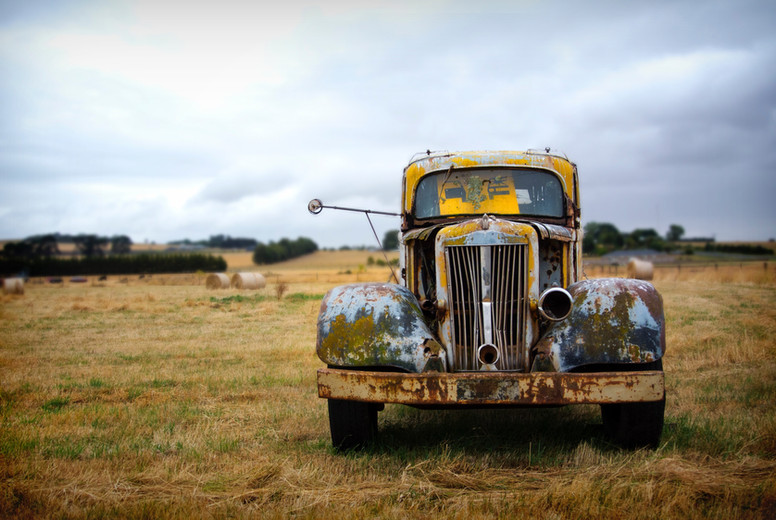
Anchored at the crossroads of capital and readiness, Regensa Impact builds the scaffolding that readiness‑challenged opportunities need in order to cross the gap between grant funding and commercial finance, allowing regenerative intent to mature into a commercially stable, investable reality.

As an opportunity‑centered execution partner focused on the Regenerative Impact Economy…
REGENSA Impact Corp.
supportively inhabits the entire food‑system supply chain—from soil enhancement to farming methods, processing, and distribution.
We focus on the structural gap where innovation stalls and capital remains sidelined. In that in‑between space, we stand at the intersection of regenerative agriculture, overlooked land assets, and impact‑aligned capital.
As a partner to both innovation and finance, we pair opportunities that matter with capital that cares, turning stalled innovation into investable realities replenishing what is too often depleted.
So Who are we?


Liz Lamond
Vic Lang
Liz Keeps partners, operators, funders, and field teams moving in sync as one coherent system.
Vic Structures messy, readiness‑challenged situations into clear, investable progress.
A glimpse at our Opportunity Ascension Path

Our Ascension Path transforms scattered efforts into a clear, staged journey from “what is” to “what could be.” Through a Constructive Discovery co‑creative inquiry process that replaces traditional, adversarial due diligence, we build the opportunity and the team while simultaneously de‑risking the initiative and lining up the right kind of capital at each step.
A glimpse at how we’re organized

The following patches represent our three market‑facing industry banners, each a deliberate construct. Archer’s Target™ helps us aim, defining what ‘good’ must look like for farms, the extended supply chain, communities, and investors.
CoHeros™ names the coalitions that carry each opportunity forward—sector specialists, fractional talent, local operators, and aligned funders we invite in early to co‑shape the Opportunity Ascension pathway and then help advance it.

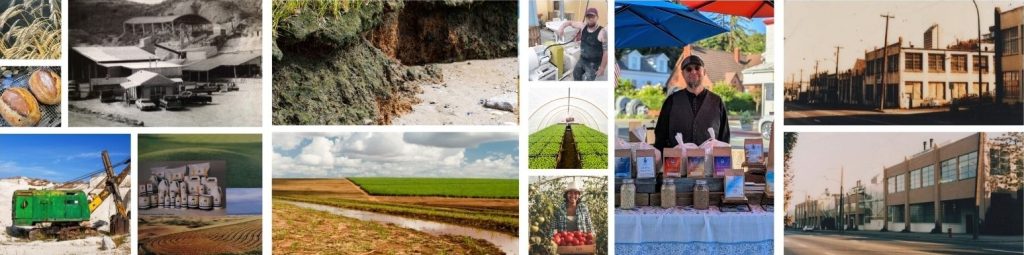
From mineral quarries reborn as soil‑amendment supply partners to water eroded fields brought back into productive rotation or family farms upgraded with value‑added infrastructure, Agri4ge™ builds durable value—whether mainstream capital is out of reach or not.
Across that same landscape, from early demonstration through structured growth, Capital4ge™ sequences concessional, catalytic, impact, and commercial capital into coherent pathways that match what each opportunity is structurally ready to carry.
From Urban to Rural, be it edge parcels to long ignored farmsteads or greyfield properties, Land4ge™ works with owners and operators unveiling inherent value that turn underperforming Properties into productive, community‑serving assets.
Industry Applications